Best Age for Fertility: What Science Says in 2025
Age is one of the most powerful yet misunderstood factors in fertility. Many people assume that if they are healthy, fit, and menstruating regularly, age will not matter much. Others believe fertility declines suddenly and dramatically at a fixed number. The truth lies somewhere in between.
Understanding the best age for fertility is not about creating fear or rushing life decisions. It is about knowing how biology works, how fertility changes gradually over time, and how modern medicine can support informed choices. Whether you are planning pregnancy now or thinking ahead, clarity helps you make decisions with confidence rather than pressure.
Why Age Plays Such a Central Role in Fertility?
Fertility is deeply tied to time because both eggs and sperm change with age. Women are born with all the eggs they will ever have, while men continue to produce sperm throughout life. This difference often creates confusion, but age affects both partners, just in different ways.
The impact of age on infertility is not sudden. It progresses quietly, influenced by genetics, lifestyle, and overall health. By the time difficulty is noticed, valuable time may already have passed. This is why understanding the fertility timeline for couples matters early, not only when pregnancy becomes difficult.
The Fertility Window for Women: How It Actually Works
The fertility window for women is widest in the early to mid-20s. During this time, egg quality is high, ovulation is more predictable, and pregnancy chances by age are at their peak. Most women conceive easily within a year if no other medical issues are present.
From the late 20s into the early 30s, fertility remains strong, but subtle changes begin. Egg quality slowly declines, even though cycles may still appear normal. This phase is often ideal for fertility planning in your 20s and 30s because chances are still good, and outcomes remain favorable.
After the mid-30s, the decline becomes more noticeable. The number of eggs reduces faster, and chromosomal changes become more common. This directly affects both natural conception and treatment outcomes. By the early 40s, pregnancy is still possible, but it often requires medical support and realistic expectations.
Egg Reserve and Age: What AMH Really Tells You
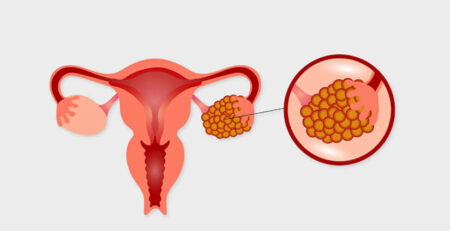
Egg quantity is commonly measured using AMH, or Anti-Müllerian Hormone. AMH levels by age give an estimate of ovarian reserve, but they do not measure egg quality. This distinction is important.
Two women of the same age can have very different AMH levels. A low AMH does not mean pregnancy is impossible, and a high AMH does not guarantee success. However, declining AMH combined with increasing age increases the likelihood of infertility challenges.
Understanding egg reserve and age together helps doctors guide fertility planning more accurately. It allows couples to decide whether to try naturally, consider fertility preservation, or move toward treatment sooner.
Male Fertility Age Decline: Often Overlooked, Still Important
Male fertility does not stop suddenly, but it does change over time. Male fertility age decline is gradual, affecting sperm count, motility, and DNA integrity. Men over 40 may still father children, but the chances of delayed conception and genetic risks increase slowly with age.
Because male fertility changes are less visible, they are often ignored. However, modern fertility care evaluates both partners equally. The fertility timeline for couples depends on shared biological realities, not just one person’s age.
Getting pregnant is now easier
Book IVF Consultation
Pregnancy Chances by Age: What the Numbers Mean
Pregnancy chances by age decrease steadily rather than dramatically. In the early 20s, monthly chances are highest. By the early 30s, the decline is small but measurable. After 35, the drop becomes sharper, and after 40, conception becomes more unpredictable.
These changes affect not only natural pregnancy but also assisted treatments. This is why age-based counseling is an essential part of fertility care rather than a judgment on personal choices.
IVF Success Rate by Age: What to Expect
The IVF success rate by age mirrors natural fertility trends. Younger women typically produce more embryos with better implantation potential. As age increases, both egg quality and embryo development are affected.
Under 35 Years: IVF success rates per cycle are generally higher, with better egg quality and higher implantation chances.
Between 35 and 40 Years: IVF can still be successful, but success rates gradually decline and multiple cycles may be needed.
After 40 Years: Outcomes depend largely on ovarian reserve and egg quality, and many patients may need to consider donor eggs for better chances.
IVF cannot reverse biological aging, but it can improve timing and selection, which is why understanding age early makes treatment more effective.
Fertility Decline with Age is Not a Deadline
It is important to say this clearly: fertility decline with age does not mean pregnancy suddenly stops. Many women conceive later in life, both naturally and with treatment. What changes is predictability.
The role of fertility care is not to create urgency but to offer clarity. Knowing where you stand biologically helps you plan life on your terms, not on assumptions.

Fertility Planning in Your 20s and 30s: Why Early Awareness Helps
Fertility planning does not mean immediate parenthood. It means understanding options. In your 20s and early 30s, simple tests can reveal egg reserve and cycle health. This information allows you to make calm, informed decisions rather than rushed ones later.
For couples who plan to delay pregnancy, fertility preservation by egg freezing, semen freezing or embryo freezing may be discussed. For others, reassurance is enough. Either way, early awareness reduces anxiety.
The Fertility Timeline for Couples, Not Just Individuals
Fertility does not belong to one person alone. The fertility timeline for couples depends on both partners’ age, health, and reproductive history. When both are evaluated together, treatment becomes more precise and less emotionally draining.
Shared understanding strengthens decision-making and avoids unnecessary delays.
Moving Forward with Clarity, Not Fear
Understanding the best age for fertility is not about following rules or timelines imposed by society. It is about aligning biological reality with personal goals. Science provides guidance, not pressure.
Modern fertility care allows more flexibility than ever before, but knowledge remains the foundation of good outcomes.
Get Your Evaluation and the Right Consultation
If questions about age, fertility, or timing are on your mind, speaking with a specialist can bring clarity. At Excel IVF, Dr Rhythm Gupta focuses on evidence-based evaluation and honest discussion. Her approach considers age, egg reserve, sperm health, and long-term goals before suggesting any treatment.
Whether you are planning ahead or actively trying to conceive, understanding your fertility timeline allows you to move forward with confidence rather than uncertainty.
FAQs About Best Age for Fertility
The best age for fertility is typically in the early to mid-20s, when egg quality and quantity are highest. Fertility remains good into the early 30s but gradually declines after that.
Fertility decline with age occurs due to reduced egg quality and quantity in women and gradual changes in sperm quality in men. The decline is gradual, not sudden.
AMH levels by age reflect egg quantity, not quality. They help guide planning but cannot predict pregnancy on their own.
Yes. Male fertility age decline affects sperm quality and DNA integrity over time, which can influence conception and pregnancy outcomes.
The IVF success rate by age is higher in younger women and decreases as egg quality declines. IVF helps improve timing and embryo selection but cannot fully overcome age-related changes.
No. Many people conceive after 35. Early evaluation and personalised guidance help improve outcomes and reduce uncertainty.

Dr. Rhythm Gupta
Consultant Obstetrician,
Gynaecologist & Infertility Specialist,
MBBS, M.S Obstetrics & Gynaecology
At Excel IVF, we don’t just treat tests and parameters. We partner with you through the emotional, scientific, and medical journey of fertility. Here, Dr. Rhythm Gupta, the leading IVF specialist in Delhi, shares insights from her years in reproductive medicine, breaking down myths, best practices, and what matters most in your path to becoming a parent.
Book a consultation today to understand better and begin your parenthood journey. Call: +91-8920963596 or Email Us: [email protected]