
Can Male Infertility Be Treated Without IVF? Understanding Your Options
One of the most common assumptions couples make after a diagnosis of male infertility is that IVF is inevitable. In clinical practice, that is rarely the starting point.

One of the most common assumptions couples make after a diagnosis of male infertility is that IVF is inevitable. In clinical practice, that is rarely the starting point.
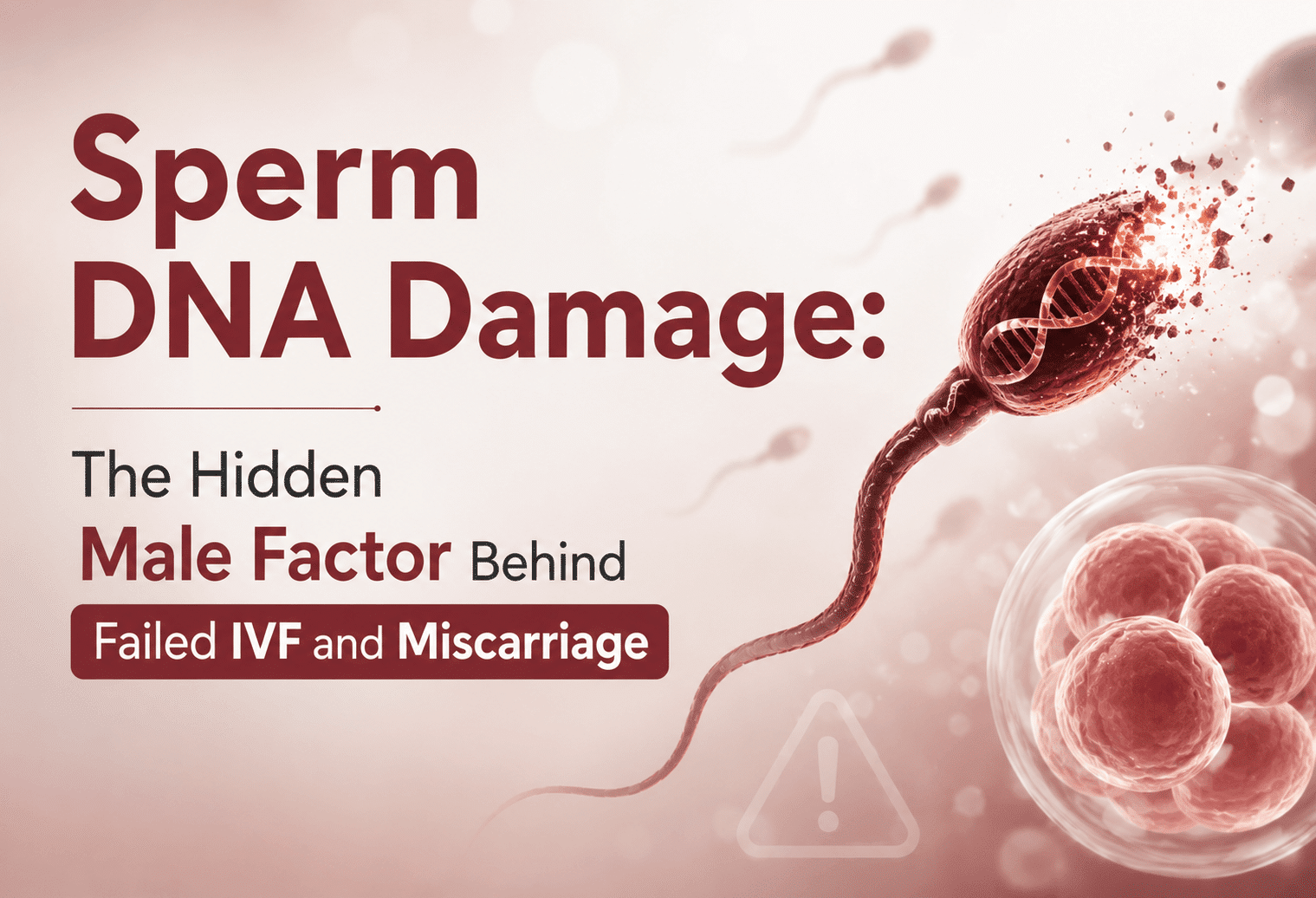
One of the most frustrating situations in fertility care is when a couple has already done “the basic tests,” the semen analysis does not look dramatically abnormal, and yet pregnancy still does not happen, embryos do not progress well, IVF cycles fail, or miscarriages keep repeating.

Sperm motility refers to how effectively sperm move, and more importantly, whether they can move forward toward the egg. Without proper movement, even a normal sperm count may not result in fertilisation.

If your semen analysis shows a low sperm count, the immediate question is simple: Is this something that can improve, or is this a long-term problem? Before jumping to conclusions, it helps to understand two key facts.
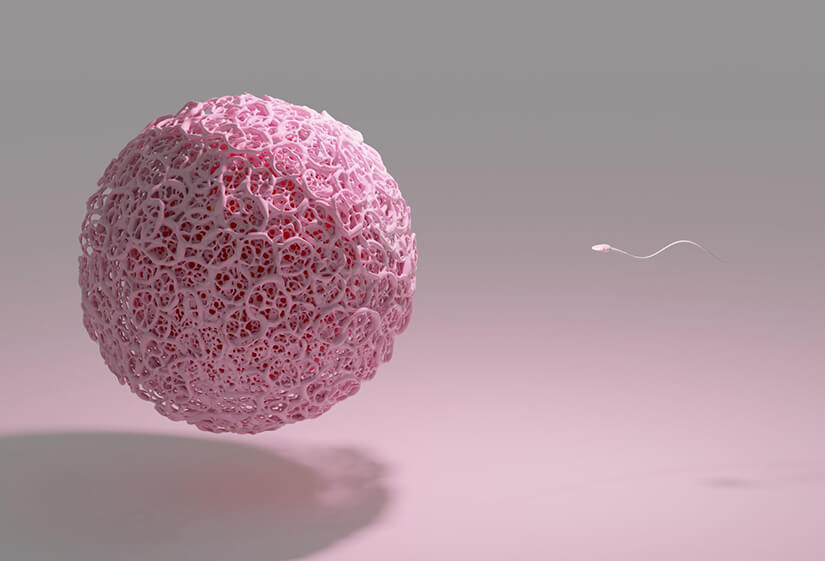
When couples begin fertility evaluation, one of the topics that often arises is egg quality. Many women hear this phrase during consultations but may not fully understand what it means or how it affects their chances of pregnancy.

For many couples beginning fertility evaluation, the first medical step is often a semen analysis. The test itself is simple, but the report can look surprisingly complicated. It usually contains several medical terms and numerical values that are not immediately easy to understand.

For many couples, the first barrier to fertility care isn’t diagnosis, it’s money. Treatments like IVF, ICSI, and surgical procedures for male infertility are life-changing but can also feel overwhelming when you look at the bills.

When couples face fertility challenges, many assume the issue lies only with the woman. In reality, nearly half of infertility cases involve a male factor. Yet male infertility remains under-discussed, often hidden behind silence and stigma.

Male infertility is something most men don’t talk about, yet it quietly affects nearly half of all couples trying to conceive. If you’ve recently been diagnosed, you’re probably wondering not just what the right treatment is, but also how much it will cost.

It's very important to understand that male fertility plays an equally significant role in the conception process. This knowledge empowers you to take proactive steps in your fertility journey.