ICSI Success Rates in Delhi – Real Data 2025
When couples begin fertility treatment, one question usually sits at the centre of every conversation: Will this work for us?
For many facing male-factor infertility, Intracytoplasmic Sperm Injection (ICSI) becomes the most recommended approach. It is one of the most advanced forms of assisted reproduction, and understanding the ICSI success rate in Delhi is essential before beginning your journey.
Across the city, the average success rate for ICSI ranges from 35 to 55% per cycle. The actual number varies based on age, sperm health, embryo development, and the quality of the lab handling the procedure. These figures are more than statistics; they are a reflection of technology, expertise, and careful planning.
What Is ICSI and When Is It Used?
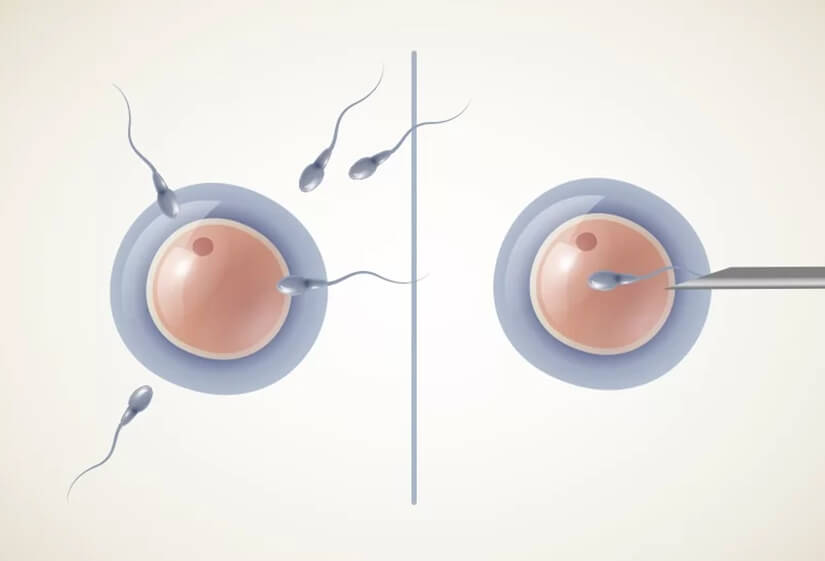
ICSI is a specialised technique performed during IVF where a single sperm is injected directly into an egg. This helps bypass barriers that would normally stop sperm from fertilising an egg.
ICSI is typically recommended when:
- Sperm count is very low
- Sperm motility is poor
- Sperm morphology is abnormal
- Previous IVF cycles showed poor fertilisation
- A blockage prevents sperm from appearing in the semen
- Sperm needs to be surgically retrieved
In Delhi, ICSI has become the preferred treatment for many cases of male infertility because it improves the chance of fertilisation even with significant sperm-related challenges.

ICSI Success Rate in Delhi: What Influences the Numbers
Although the quoted ICSI success rate in Delhi is 35–55%, it is shaped by several individual factors.
Age of the Female Partner
Younger eggs have higher fertilisation and implantation potential. Women under 35 often see stronger success outcomes, while women above 38 may require more cycles.
Quality of Sperm
ICSI allows fertilisation even with low-quality sperm, but extremely high DNA fragmentation or severe defects can reduce the chance of embryo development.
Laboratory Conditions
Embryos are sensitive to temperature, oxygen levels, air quality, and culture systems. Even small variations can affect development.
Experience of the Embryology Team
Selecting sperm, handling eggs, and monitoring embryo growth require precision. Experienced embryologists consistently achieve stronger results.
Accuracy of the Diagnostic Workup
Correct diagnosis ensures patients receive the right ovarian stimulation, sperm preparation method, and fertilisation approach.
Each of these influences outcomes. That’s why success rates vary, and why a detailed consultation before treatment is important.
Getting pregnant is now easier
Book IVF Consultation
ICSI vs IVF Success Rates: A Clear Comparison
Many couples ask whether ICSI is “better” than IVF. The answer depends on the reason for infertility. Let’s understand IVF vs ICSI for male infertility.
In Delhi, this is the general pattern:
- IVF success rate: 30–40%
- ICSI success rate: 40–55%
ICSI becomes the superior choice when male-factor infertility is involved. It does not improve egg quality or embryo genetics, but it does ensure that fertilisation occurs even when sperm parameters are very poor.
Technology That Shapes ICSI Success
Not all labs operate at the same standard, and technological differences often explain why success rates vary across clinics.
Key technologies that influence outcomes include:
CASA (Computer-Assisted Sperm Analysis)
Offers precise measurements of motility and morphology, allowing selection of the best available sperm.
IMSI (High-Magnification Sperm Selection)
Embryologists can examine sperm at very high magnifications and choose those with the healthiest structure.
Time-Lapse Embryo Monitoring
Embryos grow in a controlled environment while being continuously monitored. This avoids removing them from the incubator and provides more information for embryo selection.
Advanced Culture Systems for Blastocyst Growth
Growing embryos to Day 5 improves implantation chances and reduces the need for multiple embryo transfers.
The stronger the technological foundation, the more consistent the success outcomes.
ICSI Treatment Cost in Delhi
The ICSI treatment cost in Delhi generally falls between ₹1,50,000 and ₹2,50,000 per cycle.
Prices differ based on:
- Medication dosage
- Number of scans and monitoring visits
- Laboratory technology
- Whether additional procedures (like freezing or genetic testing) are needed
Most packages include:
- Doctor consultations
- Hormonal stimulation
- Egg retrieval
- Sperm preparation
- ICSI procedure
- Embryo development
- Embryo transfer
Understanding the cost structure and the ICSI package in Delhi at the beginning prevents confusion later and helps couples plan the journey with clarity.
Real ICSI Success Data: What Patients Should Look For
Rather than focusing on a clinic’s advertised numbers, look for transparency in how outcomes are reported.
Key metrics that matter include:
- Fertilisation rate: Usually 60–80%
- Blastocyst formation rate: Higher percentages often mean healthier embryos
- Implantation rate: Indicates how many embryos successfully attach to the uterus
- Live birth rate: The most reliable indicator of real-world performance
Success depends on matching the right protocol to the right patient, not chasing unusually high claims.
How Couples Can Improve Their Chances
While ICSI is highly effective, simple adjustments can make a noticeable difference:
Accurate Testing
Correct diagnosis prevents unnecessary cycles.
Lifestyle Changes
Stopping smoking, reducing alcohol, improving diet, and maintaining a healthy weight all support sperm and egg health.
Stress Management
Chronic stress disrupts hormones and affects both partners. Counselling or guided support can help significantly.
Medication Adherence
Taking medicines at the prescribed time and attending all monitoring appointments ensures the body responds correctly to treatment.
ICSI works best when approached as a combined medical and lifestyle journey.
Take the Next Step with Dr Rhythm Gupta
If you’re exploring ICSI success rates in Delhi and want a clear understanding of what these numbers mean for your specific situation, consulting a specialist can bring clarity.
Dr Rhythm Gupta offers structured evaluation, explains expected outcomes honestly, and helps couples plan treatment based on medical evidence rather than guesswork.
Whether you are comparing IVF vs ICSI for male infertility, trying to understand the expected results, or preparing for your first fertility consultation, the right guidance can make the path forward feel much more manageable.
FAQs About ICSI Success Rates in Delhi (2025)
Most clinics report an ICSI success rate in Delhi ranging from 35 to 55% per cycle. The exact number depends on female age, sperm quality, embryo development, and the laboratory environment. A younger female partner and strong blastocyst growth typically lead to higher chances of pregnancy.
No treatment can guarantee fertilisation. ICSI significantly improves the chances because a sperm is directly injected into an egg, but outcomes still depend on egg quality, sperm DNA integrity, and the timing of the procedure. Even with ICSI, not every egg will fertilise, and not every embryo will grow to the blastocyst stage.
Some couples conceive in the first cycle, while others may require two or three attempts. Success increases when accurate diagnosis, personalised stimulation protocols, and proper lab conditions are combined. Age is a major influencing factor, younger couples generally need fewer cycles.
The ICSI treatment cost in Delhi typically ranges between ₹1,50,000 and ₹2,50,000 per cycle. Costs vary depending on medication needs, monitoring frequency, the lab’s technology, and whether embryo freezing or genetic tests are added. Understanding the full package upfront helps avoid unexpected charges later.
Yes, in most male-factor cases. IVF vs ICSI for male infertility is a common comparison, and for men with low sperm count, poor motility, or abnormal morphology, ICSI offers a much higher chance of fertilisation. IVF alone may not work well when sperm parameters are severely compromised.
Healthy lifestyle habits, good sleep, stress reduction, timely medications, and stopping smoking or alcohol are all helpful. Choosing a clinic with advanced sperm selection tools, strong embryology support, and experienced fertility specialists also improves outcomes. Success depends on both medical care and personal health choices.