Can Male Infertility Be Treated Without IVF? Understanding Your Options
One of the most common assumptions couples make after a diagnosis of male infertility is that IVF is inevitable. In clinical practice, that is rarely the starting point.
One of the most frustrating situations in fertility care is when a couple has already done “the basic tests,” the semen analysis does not look dramatically abnormal, and yet pregnancy still does not happen, embryos do not progress well, IVF cycles fail, or miscarriages keep repeating.
Sperm motility refers to how effectively sperm move, and more importantly, whether they can move forward toward the egg. Without proper movement, even a normal sperm count may not result in fertilisation.
If your semen analysis shows a low sperm count, the immediate question is simple: Is this something that can improve, or is this a long-term problem? Before jumping to conclusions, it helps to understand two key facts.
If you’ve recently been told that your semen report shows no sperm, it’s completely natural to feel anxious or uncertain about what this means for your future.
Experiencing a miscarriage can be emotionally difficult for any couple. When pregnancy loss happens more than once, the experience often becomes even more confusing and distressing. Many couples begin asking questions that feel deeply personal and urgent: Why did this happen again? Is something wrong medically? Will we be able...
When couples begin fertility evaluation, one of the topics that often arises is egg quality. Many women hear this phrase during consultations but may not fully understand what it means or how it affects their chances of pregnancy.
When couples begin trying for a pregnancy, one of the most common questions they ask is whether there are ways to support fertility naturally before considering medical treatment.
When couples begin trying for pregnancy, the first thoughts usually revolve around timing ovulation, tracking menstrual cycles, or making lifestyle changes. Yet for many couples who continue trying month after month without success, the underlying issue often lies deeper in the body’s hormonal system.
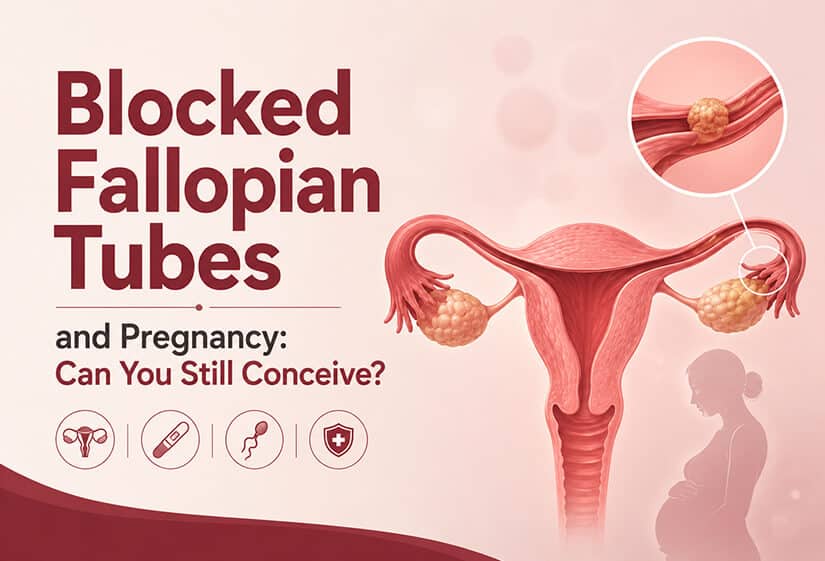
For pregnancy to occur naturally, a number of biological steps must align. Ovulation is one of the most important of those steps. Each month, the ovary releases a mature egg that travels into the fallopian tube, where it can meet sperm and begin the process of fertilisation.