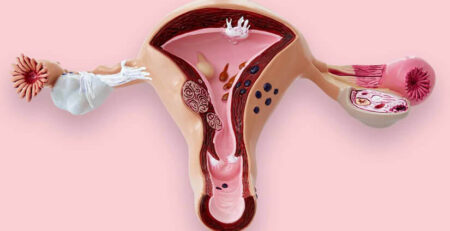

Struggling with Repeated Miscarriages? Know the Causes, Tests and Treatments
Experiencing a miscarriage can be emotionally difficult for any couple. When pregnancy loss happens more than once, the experience often becomes even more confusing and distressing. Many couples begin asking questions that feel deeply personal and urgent: Why did this happen again? Is something wrong medically? Will we be able to have a successful pregnancy?
Repeated pregnancy loss is medically referred to as recurrent miscarriage. While a single miscarriage can occur due to random chromosomal changes, multiple miscarriages often indicate that an underlying medical factor may be affecting pregnancy.
Understanding recurrent miscarriage treatment begins with understanding the possible causes and the tests doctors recommend to identify them. With modern diagnostic tools and personalised care, many couples experiencing recurrent miscarriage can still achieve a healthy pregnancy.
What is a Recurrent Miscarriage?
Doctors usually define recurrent miscarriage as the loss of two or more consecutive pregnancies before the twentieth week of pregnancy.
While miscarriage itself is relatively common, repeated pregnancy loss requires medical evaluation. This is because multiple miscarriages may indicate underlying health factors that affect embryo development or implantation.
Knowing the possible repeated pregnancy loss causes can help doctors identify medical conditions that may be treated before the next pregnancy.
5 Reasons Why Miscarriages Sometimes Happen Repeatedly
One of the most common questions couples ask is why miscarriage happens repeatedly.
There is rarely a single universal explanation. Pregnancy involves several biological processes, including embryo development, implantation in the uterus, hormonal balance, and immune tolerance.
When any part of this process is disrupted, pregnancy may not continue successfully.
Some of the most common repeated pregnancy loss causes include:
- Genetic abnormalities in the embryo
- Hormonal imbalances affecting early pregnancy support
- Structural problems within the uterus
- Immune or clotting disorders
- Chromosomal abnormalities in one partner
Identifying these factors is essential for designing effective pregnancy loss treatment options.

Getting pregnant is now easier
Book IVF Consultation
Genetic Factors and Pregnancy Loss
In many early miscarriages, the embryo develops with chromosomal abnormalities that prevent normal growth.
These abnormalities usually occur randomly and may not indicate a long-term fertility problem. However, when miscarriages occur repeatedly, doctors may recommend genetic testing for miscarriage.
Genetic testing helps determine whether chromosomal variations in either partner may be contributing to repeated pregnancy loss.
This information plays an important role in planning recurrent miscarriage treatment and determining the most appropriate fertility strategy.
Hormonal Causes of Miscarriage
Hormonal balance plays a critical role in maintaining early pregnancy. Several hormonal conditions may interfere with the body’s ability to support embryo development.
Common hormonal causes of miscarriage include:
- Insufficient progesterone production during early pregnancy
- Thyroid hormone imbalance affecting reproductive health
- Uncontrolled metabolic conditions such as diabetes
When doctors identify hormonal imbalance during miscarriage fertility evaluation, treatment may involve medication that stabilises hormone levels and supports pregnancy.
Structural Conditions Affecting the Uterus
The structure of the uterus also plays an important role in successful pregnancy.
Certain anatomical conditions may interfere with embryo implantation or blood supply to the developing pregnancy.
Some examples of uterine abnormalities infertility include:
- Uterine fibroids that distort the uterine cavity
- Uterine septum (a structural partition inside the uterus)
- Scarring inside the uterus from previous procedures
These conditions may be detected during miscarriage diagnosis tests such as ultrasound imaging or hysteroscopy.
When necessary, surgical correction may improve the chances of successful pregnancy.
The Role of Fertility Evaluation After Miscarriage
When miscarriage occurs repeatedly, doctors usually recommend a detailed miscarriage fertility evaluation.
This evaluation helps determine whether an identifiable medical condition is contributing to pregnancy loss.
Typical investigations may include:
- Hormonal blood tests evaluating reproductive and thyroid hormones
- Ultrasound imaging to assess uterine structure
- Chromosomal analysis when genetic factors are suspected
- Blood tests assessing immune and clotting disorders
These fertility testing after miscarriage procedures help doctors develop a personalised treatment plan.
Can Pregnancy Be Successful After Recurrent Miscarriage?
Many couples fear that repeated miscarriages mean they will never have a successful pregnancy. Fortunately, this is not always the case.
With proper diagnosis and targeted recurrent miscarriage treatment, many couples eventually achieve healthy pregnancies.
Treatment depends on the underlying cause identified during evaluation.
For example:
- Hormonal therapy may support early pregnancy when progesterone levels are low
- Surgical correction may address structural uterine problems
- Specialised fertility treatment may be recommended when genetic factors are involved
Understanding the root cause allows doctors to recommend the most appropriate pregnancy loss treatment options.
Emotional Impact of Recurrent Miscarriage
Beyond the medical aspects, recurrent miscarriage often carries significant emotional impact. Couples may experience grief, anxiety, and uncertainty about future pregnancies.
It is important to recognise that repeated pregnancy loss is rarely caused by something a couple did or did not do. Most miscarriages occur due to biological factors beyond personal control.
Seeking medical guidance helps transform uncertainty into understanding. Through careful diagnosis and supportive care, couples can regain confidence in their fertility journey.
When to Seek Medical Advice for Repeated Miscarriages
Couples are often unsure when they should consult a fertility specialist after miscarriage.
Doctors generally recommend evaluation when:
- Two or more miscarriages have occurred
- Miscarriage happens after fertility treatment
- Pregnancy loss occurs later in the first trimester
Early consultation with a fertility doctor for recurrent miscarriage allows doctors to investigate potential causes and begin appropriate treatment.
Take a Mindful Approach to Your Reproductive Health
Recurrent miscarriage is emotionally and medically complex. However, modern reproductive medicine provides increasingly sophisticated diagnostic tools to identify causes that were once difficult to detect.
Understanding repeated pregnancy loss causes allows doctors to move beyond uncertainty and design personalised treatment strategies.
For many couples, the path forward begins with thorough medical evaluation and compassionate care.
Compassionate Fertility Care for Repeated Miscarriages at Excel IVF
At Excel IVF, Dr Rhythm Gupta approaches recurrent miscarriage with both medical precision and empathy. Through detailed miscarriage fertility evaluation, she carefully investigates hormonal, genetic, and structural factors that may be contributing to repeated pregnancy loss.
Patients receive personalised recurrent miscarriage treatment plans designed to address the specific causes identified during evaluation. With careful monitoring and supportive fertility care, many couples regain confidence in their chances of achieving a healthy pregnancy.
If you are seeking guidance from a recurrent miscarriage specialist in Delhi, a consultation with Dr Rhythm Gupta will provide an opportunity to understand the medical reasons behind pregnancy loss and explore the most appropriate treatment options.
FAQs About Repeated Miscarriages Causes and Treatments
Doctors usually define recurrent miscarriage as two or more consecutive pregnancy losses.
Yes. Chromosomal abnormalities in embryos are one of the most common repeated pregnancy loss causes, which is why doctors may recommend genetic testing for miscarriage.
Yes. Several hormonal causes of miscarriage, including progesterone deficiency and thyroid disorders, may interfere with early pregnancy.
Doctors often recommend fertility testing after miscarriage, including hormone tests, ultrasound imaging, and sometimes genetic testing.
Yes. Certain uterine abnormalities infertility conditions may affect implantation or pregnancy development.
Many couples successfully conceive after receiving appropriate recurrent miscarriage treatment and medical guidance.
If miscarriage occurs more than once, consulting a fertility doctor for recurrent miscarriage is recommended for proper evaluation.

Dr. Rhythm Gupta
Consultant Obstetrician,
Gynaecologist & Infertility Specialist,
MBBS, M.S Obstetrics & Gynaecology
At Excel IVF, we don’t just treat tests and parameters. We partner with you through the emotional, scientific, and medical journey of fertility. Here, Dr. Rhythm Gupta, the leading IVF specialist in Delhi, shares insights from her years in reproductive medicine, breaking down myths, best practices, and what matters most in your path to becoming a parent.
Book a consultation today to understand better and begin your parenthood journey. Call: +91-8920963596 or Email Us: excelivf@gmail.com